

aesthetic dermatology
Aesthetic dermatology works at different levels of the skin and underlying tissues. Depending on the indication, treatments may target:
-the epidermis, to improve complexion and superficial irregularities;
-the dermis, to stimulate collagen production and improve skin texture;
-the deeper facial volumes, to restore facial balance;
-or the muscles responsible for certain expression lines.
Lasers, chemical peels, microneedling, biostimulation and injectable treatments are therefore selected according to the structure being treated. Certain concerns, such as scars, often require a combination of techniques acting at different depths.
The primary aim is to provide personalised care by selecting the treatment best suited to each patient’s skin and specific concerns.
Aesthetic dermatology is based on a simple principle: not all skin concerns originate at the same level and, therefore, they do not all require the same treatments. Depending on the indication, treatment may target the superficial layers of the skin, the dermis, deeper facial volumes or muscular activity. The aim is to identify precisely which structure is involved in order to select the most appropriate technique.
The epidermis: the surface of the skin
The epidermis is the outermost layer of the skin. Superficial pigmentation, uneven skin tone, textural irregularities and superficial lesions may occur at this level.
Depending on the indication, this layer may be treated with superficial chemical peels, certain lasers or light-based treatments such as IPL, superficial microneedling, or appropriate dermatological skincare. The aim is to improve skin-tone uniformity, radiance and overall surface quality.
The junction between the epidermis and dermis
Just beneath the surface lies an area where various pigmentary or vascular abnormalities may occur. Redness, small visible blood vessels, certain dark spots, enlarged pores, fine lines and textural irregularities may therefore require treatment at this level.
Depending on the nature of the concern and the patient’s skin type, the techniques used may include IPL, certain vascular or pigment lasers, microneedling, or selected chemical peels.
The dermis: collagen, elasticity and skin quality
The dermis provides structural support to the skin. It contains collagen and elastin, which contribute to its firmness, elasticity and resilience.
Over time, the production and organisation of these fibres gradually change. This may contribute to fine lines, wrinkles, loss of firmness, altered skin texture or scarring.
Several techniques aim to stimulate dermal remodelling and collagen production, including deeper microneedling, fractional ablative or non-ablative lasers such as the ProDeep laser, and biostimulatory treatments such as skinboosters, Profhilo and Sculptra, as well as other skin-stimulating techniques. The choice of treatment depends on the depth to be reached and the desired outcome.
The subcutaneous tissue: facial volume
Beneath the dermis lies the subcutaneous tissue, which includes several fat compartments. With ageing, their volume and distribution may change. These changes can affect the cheekbones, temples, cheeks, chin and facial contours.
When indicated, dermal fillers—particularly hyaluronic acid—and certain biostimulatory treatments such as Sculptra may help restore or rebalance facial volume.
The aim is not necessarily to add volume, but to respect the proportions and anatomy of the face in order to maintain a natural-looking result.
The muscles: expression lines
Some wrinkles are primarily caused by repeated contractions of the facial muscles. These include forehead lines, frown lines and crow’s feet. Botulinum toxin temporarily and selectively reduces the activity of specific muscles. Treatment is tailored to the anatomy and individual dynamics of each face in order to preserve natural expression.
Scars: an approach that often combines several treatments
Scars—particularly acne scars—are a typical example of a concern that may involve several depths of the skin.
Some scars are superficial, while others are deeper, fibrous or tethered to the underlying tissues. There is therefore no single treatment suitable for every type of scar.
Depending on their type, depth and shape, different techniques may be recommended, including TCA CROSS, subcision, microneedling, laser treatment, injectable treatments or other skin-remodelling procedures. Several methods are often combined as part of the same treatment programme.
A personalised approach
Aesthetic dermatology does not involve applying the same technique to every patient. The same concern—whether wrinkles, skin laxity, pigmentation or scarring—may have several causes and involve different anatomical structures.
A medical assessment helps determine where the concern originates, which structures should be treated and which techniques may be combined.
This progressive and personalised approach prioritises natural, harmonious results tailored to each patient, rather than treating a visible sign in isolation.
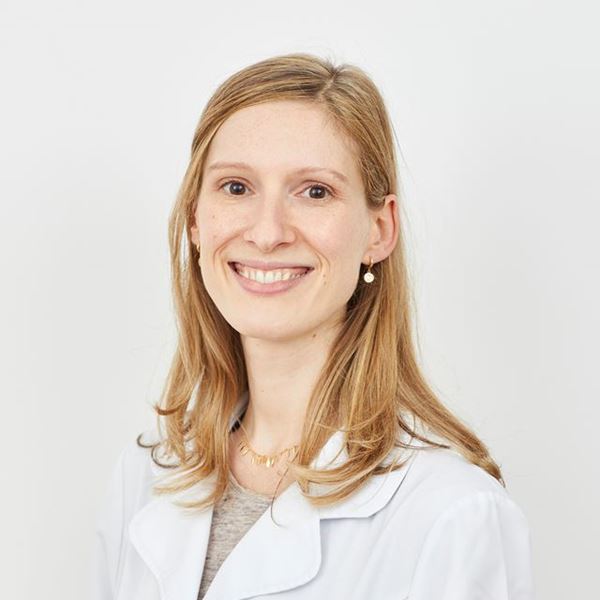
Dr Elodie BONNÉ
dermatologist
Développé par doctoranytime
Dedicated appointment slots are available exclusively by email (info@centre-medical-walzin.be) or by contacting the reception desk by phone.
